

Hello! Welcome back to Mind the Beet. For those who are new here, I’m Helen — and each week my husband and I write about product-making, leadership, career, and parenting. Today’s post sits at the intersection of all three: Girl Scouts, community, and what it takes to nurture the leaders of tomorrow.
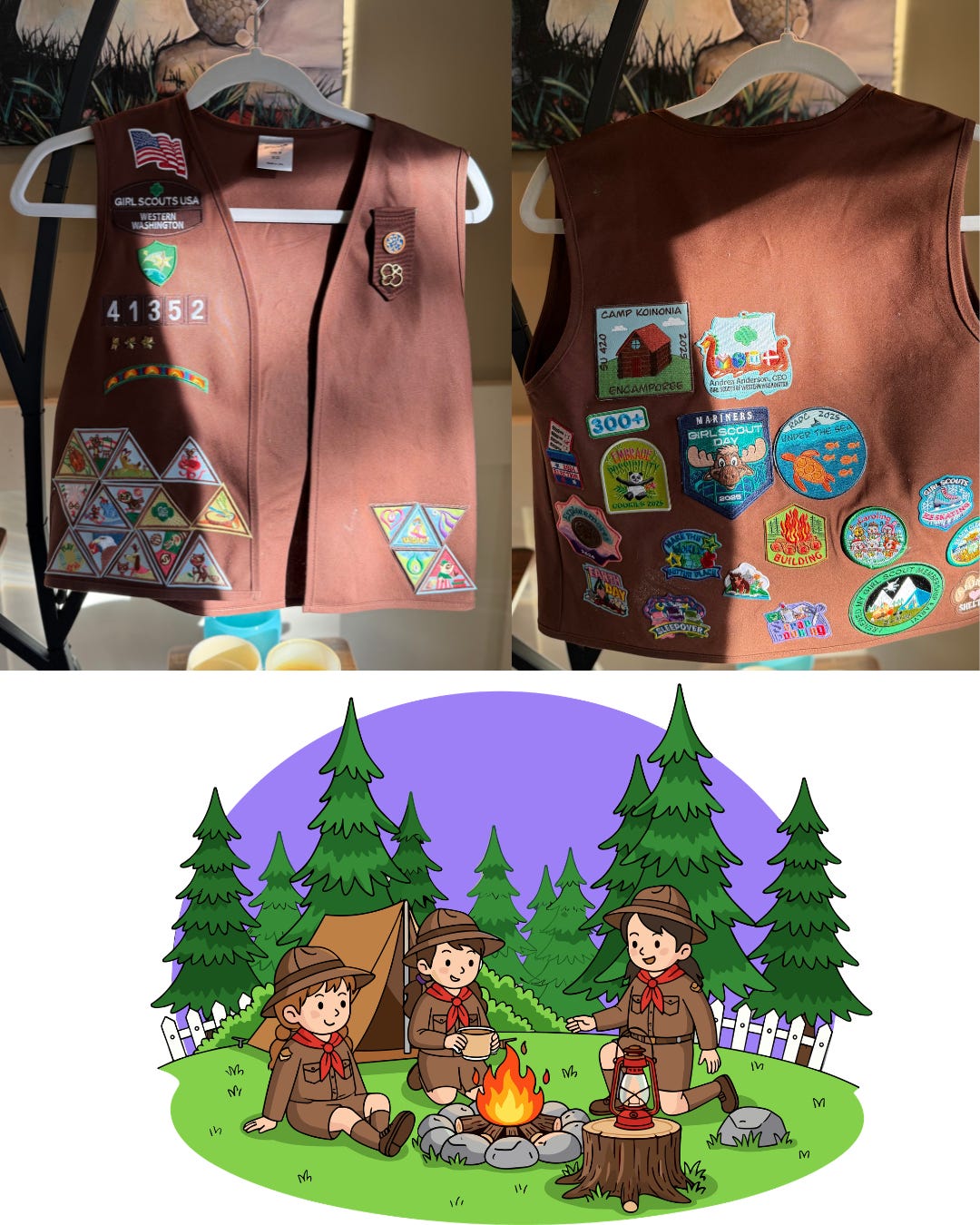
As a Russian immigrant who arrived in the U.S. at age 10, I didn’t grow up with Girl Scouts. I did not know what a Thin Mint was until well into adulthood. So when my oldest was in kindergarten, and another mom asked whether she wanted to join a troop, I said yes, mostly out of curiosity — and out of a desire not to miss a piece of Americana.
Six years later, Girl Scouts has become a defining part of our family rhythm. I now lead my younger daughter’s troop and serve as a Service Unit Manager, supporting other troop leaders in our area. I do this because I have learned that:
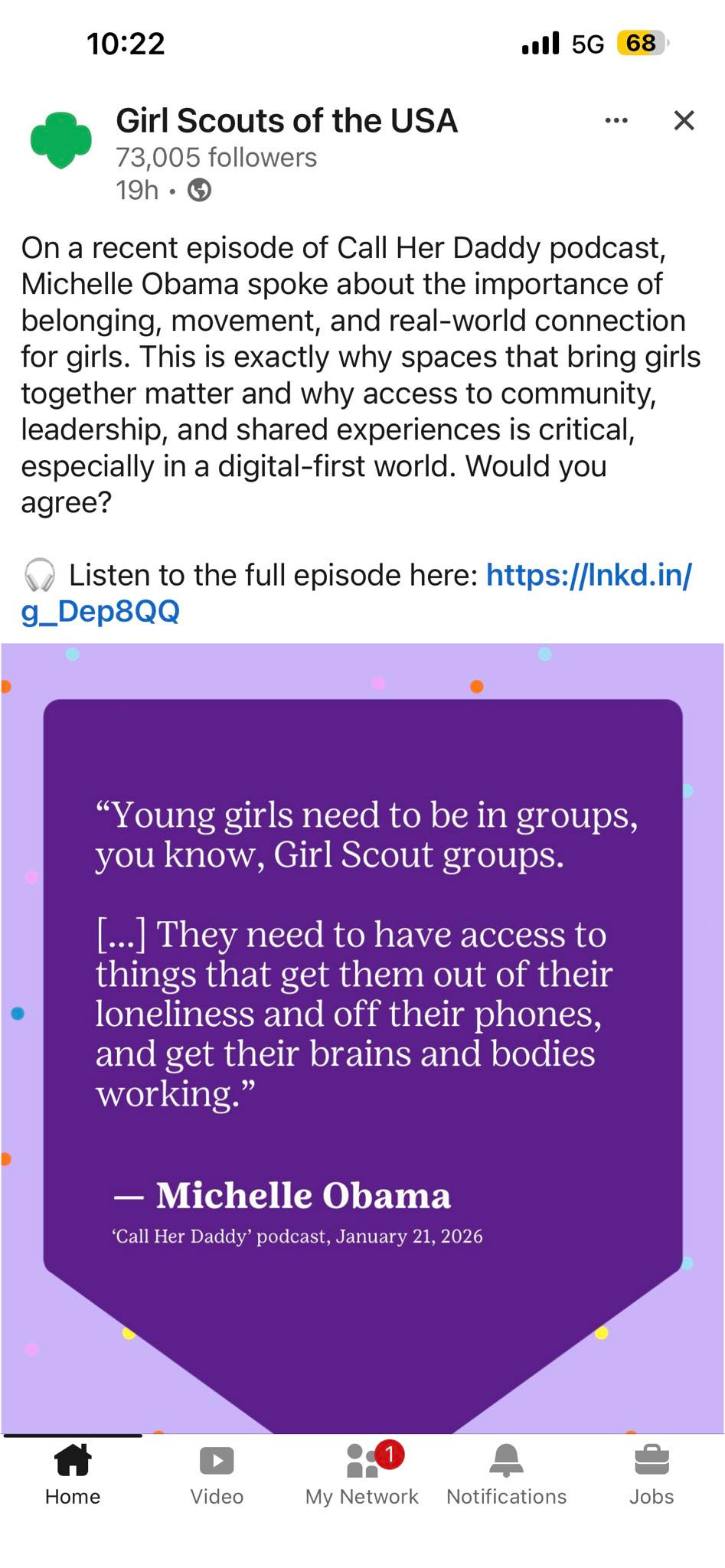
Girl Scouts isn’t just about badges or cookies. It’s an early, accessible, community-powered leadership lab for girls. Michelle Obama agrees:
Especially immigrant parents often ask me: What do you like about Girl Scouts? Why should I sign my daughter up? And does she really have to sell cookies?
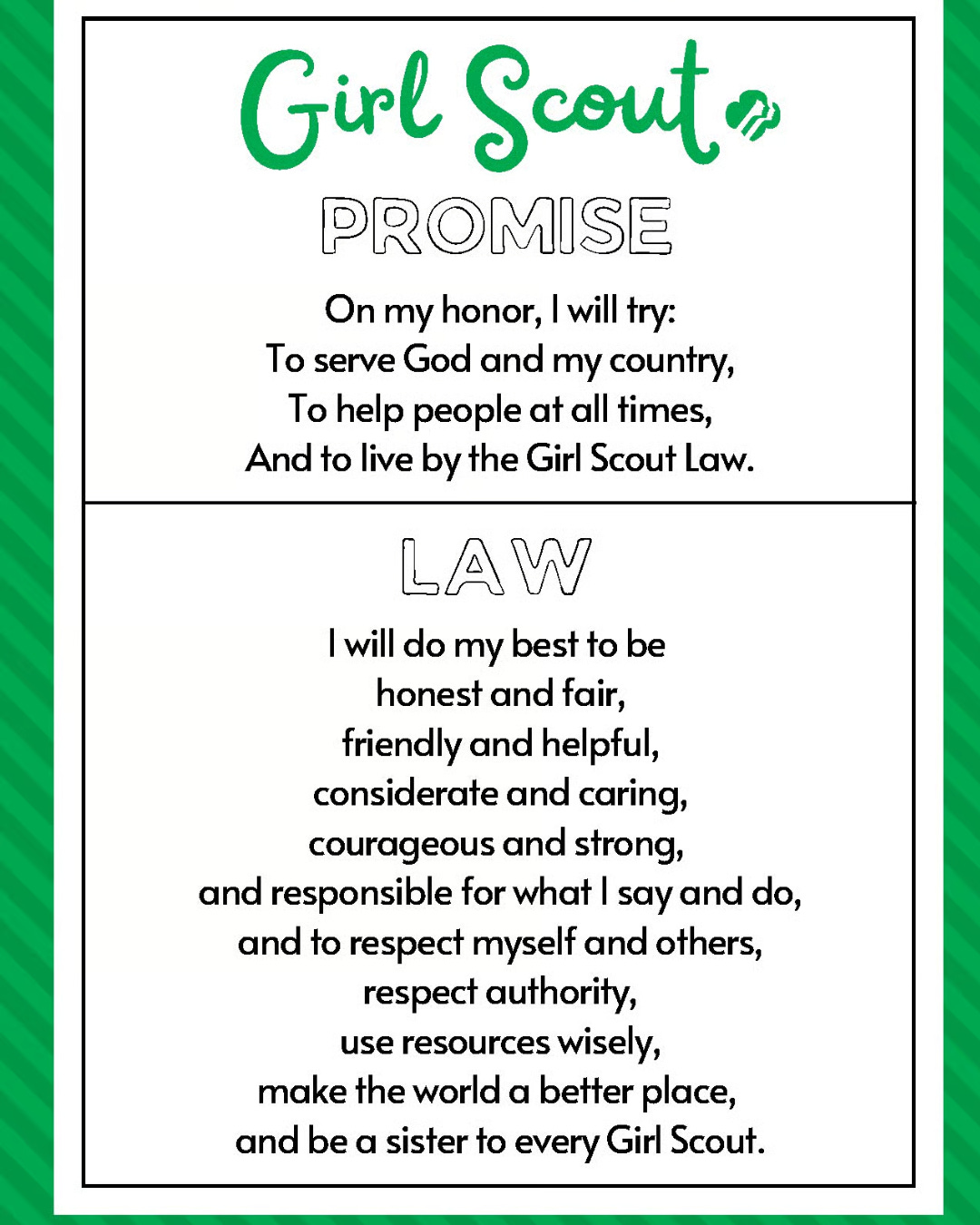
1. Helping Girls Find Their Voice, Confidence and a Sense of Belonging
Leadership begins with voice: knowing you have one, practicing using it, and trusting that it matters.
Girl Scouts creates intentional moments for this:
– A shy girl learning to greet a customer at a cookie booth
– A group of 8-year-olds negotiating who sleeps on which bunk at camp
– A 12-year-old stepping up to facilitate a game for younger girls
These are small, low-stakes interactions, but they accumulate. A troop of same-age girls creates belonging, and an additional circle of friends outside school gives kids a safe space to try on new versions of themselves.
A recent survey found that only 34% of elementary, 45% of middle school, and 42% of high school students report feeling a sense of belonging at school — meaning more than half of students do not feel connected or “at home” in their school community.
One of my favorite parts is the built-in mentorship pipeline. Younger girls look up to older Scouts who help lead meetings; older girls become counselors, program assistants, and role models. Watching a group of 6-year-olds hang on to every word of a 14-year-old facilitator tells you everything about what leadership feels like to a teenager: empowering, respected, and confidence-building.
For many girls, this is their first experience practicing influence — the heart of leadership — without adult pressure or performance expectations.
2. Learning Outdoor Skills and Building Independence
Camps, archery, fire building, climbing walls, knife safety — Girl Scouts offers a unique blend of outdoor skills that many girls simply don’t encounter elsewhere.
My girls have done both day camps and overnights, and the skill-building is noticeable, especially when they are more comfortable with these opportunities in school situations later. My kids have come back a little bit braver, more curious, more capable, and independent each time.
There is something powerful about a girl realizing, “I can do hard things. I can take care of myself. I can try something new.”
As a troop leader, it is an honor to witness, and as a leadership and executive coach, I see these moments as formative for future leaders because they have to first and foremost believe in themselves.
3. A Built-In Culture of Service and Contribution
Every troop I’ve encountered weaves community service into its year: donating cookie proceeds to a food bank, caroling at senior homes, writing cards for the military, organizing drives.
At its core, Girl Scouts teaches:
Leadership is not about authority; it’s about responsibility and impact.
As girls grow older, service awards become more structured (Bronze, Silver, Gold), and these can make a meaningful difference in high school and beyond. But even at age 8 or 9, the idea that my actions can help others is deeply grounding.
My troop of 3rd graders has sung carols at Senior Living facilities, donated food, toured food banks, packed snacks for kids facing food insecurity, and more.
FAQs I Hear Most Often — With My Takeaways
What’s the time commitment?
This varies by troop. Ours meets once a month for 90 minutes, plus one monthly outing or service event.
My take: It’s like any extracurricular — you’ll get the most value if your child attends regularly. When Girl Scouts becomes the “optional add-on,” kids miss context and connection, which makes it less fun.
What do parents have to do?
Most troops have two leaders plus supporting roles like treasurer or cookie parent. Families rotate snacks and occasionally chaperone.
My take: It’s far less demanding than a sports team, but still a community effort. Offering to help, even in small ways, goes a long way.
What does it cost?
There’s a $65 annual membership fee (some troops require parents to join as well as troop helpers). Younger troops typically ask parents to chip in for badges, uniforms, and activities ($150–$200/year). As girls get older, they use fundraising (primarily through cookie sales) to pay for their experiences.
My take: Costs decrease over time as girls take more ownership of troop funding.
Do we have to sell cookies?
Short answer: No — but most troops do because it’s the easiest way to finance activities.
In our area, cookie booths run for about three weekends in late February and early March. Of the $6 per box, around 75–90 cents goes directly to the troop; the rest goes to council programming, camp properties, and statewide initiatives.
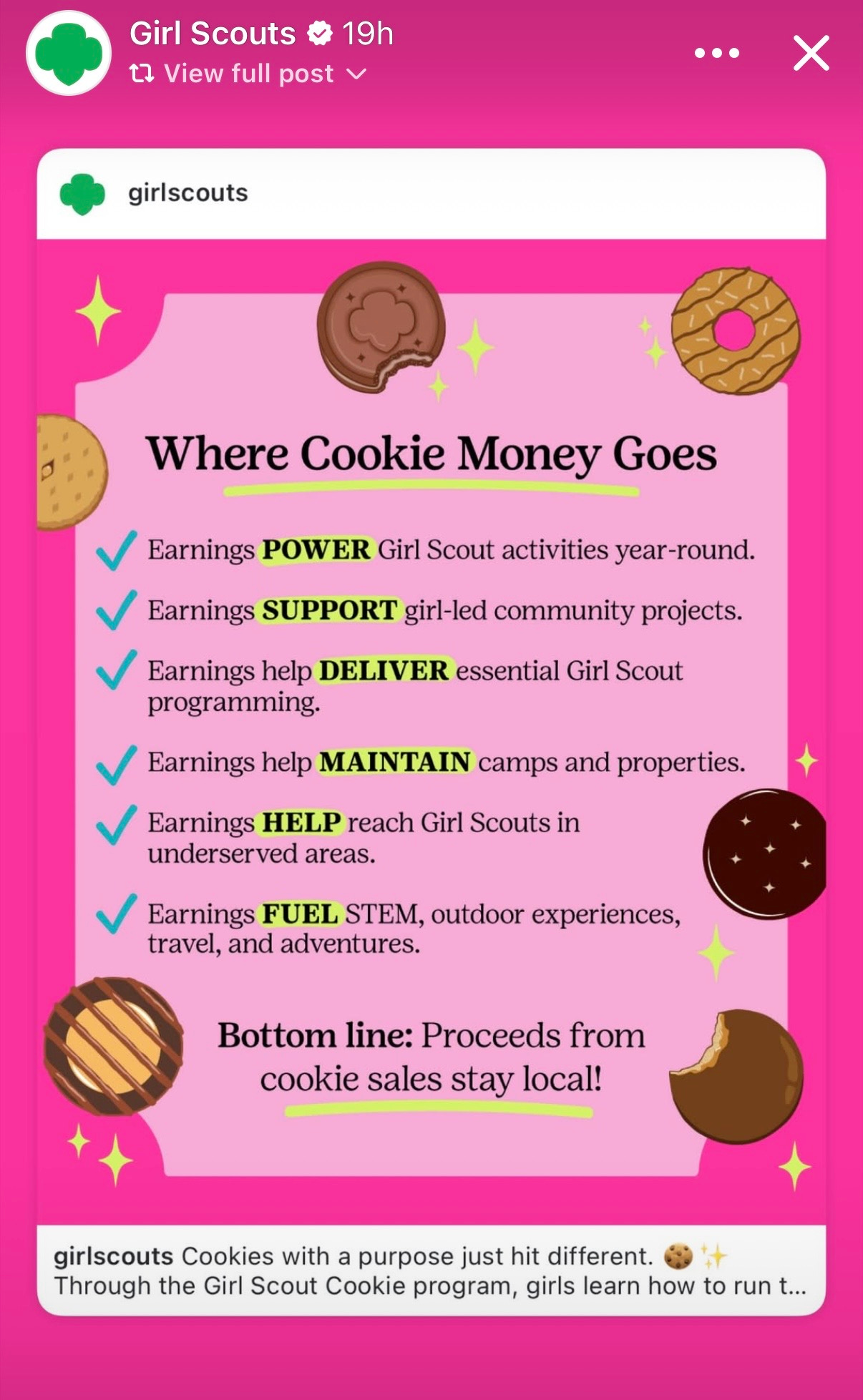
My take: I was skeptical at first. But I watched my daughter learn how to greet adults confidently, handle rejection gracefully, set a goal, and celebrate progress. The prizes are gimmicky, but the skills are valuable and transferable.
Link to help my 8-year-old meet her goal (she will deliver if you are in the greater Seattle area, but there is also a shipping option or just a straight donation to our military & Northwest Harvest).
How to Join
Check your local council’s website (in Washington: GSWW). Finding an open troop can be hit-or-miss.
Ask parents at your school or post in a local Facebook/NextDoor group.
Start your own troop — truly not as intimidating as it sounds. Councils love helping new troops launch.
Closing Thoughts
Girl Scouts isn’t perfect, and it isn’t for every family. But for many girls, it offers rare and meaningful practice reps in the very skills we want tomorrow’s women leaders to have: confidence, community, service, voice, and independence.
So if you see a girl selling cookies outside a grocery store this month, stop by — even just to say hello. A kind interaction goes further than you think. You are witnessing the earliest steps of a young leader learning to stand tall, make eye contact, speak clearly, and believe in herself.
And that’s something worth supporting.
I stumbled upon your account when doing a search on Girl Scouts. I really love this posting! I'm an old, retired librarian who was in scouts a large part of my life. It was so incredibly important to me and I've been concerned about about how things are going these days. Thanks for sharing this!